Four astronauts have departed the International Space Station, leaving just three crew members behind to continue operating the orbiting laboratory—a rare and consequential move prompted by a medical concern. The decision marks the first time NASA has opted to return a crew ahead of schedule for health-related reasons, underscoring the agency’s longstanding emphasis on astronaut safety.
A Rare and Cautious Decision
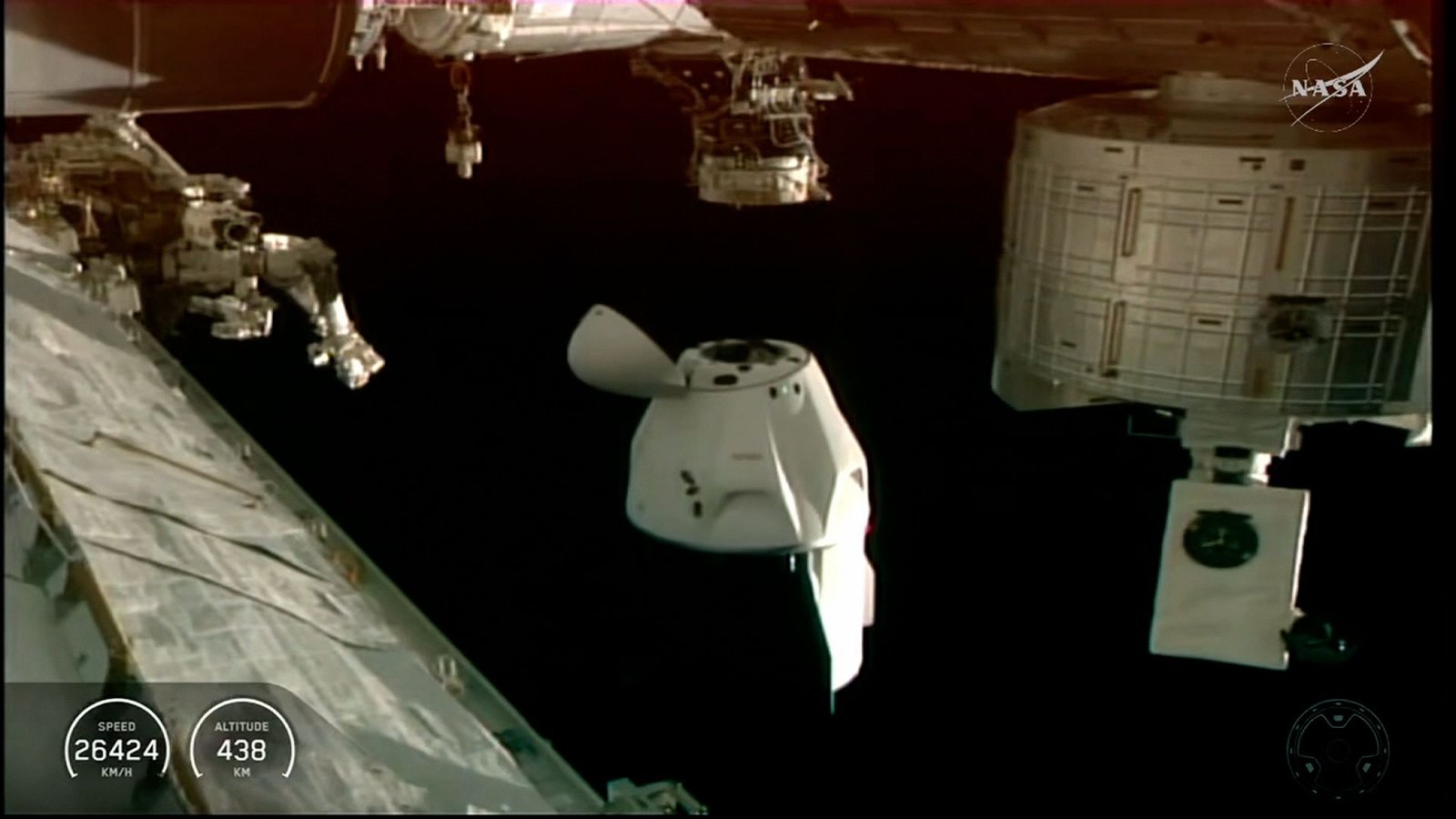
The four astronauts boarded their SpaceX Crew Dragon capsule on Wednesday afternoon. After sealing the hatch shortly before 3:30 p.m. ET, the spacecraft undocked at 5:20 p.m. ET, beginning the journey back to Earth. The mission—known as Crew-11—is expected to splash down in the Pacific Ocean around 3:40 a.m. ET Thursday.
NASA officials confirmed that one crew member required additional medical evaluation on the ground. While the agency declined to share details, citing privacy concerns, it emphasized that the astronaut’s condition is stable.
Who Remains on Board
With the Crew-11 departure, only three astronauts are left aboard the International Space Station: NASA astronaut Chris Williams and Russian cosmonauts Sergey Kud-Sverchkov and Sergei Mikaev of Roscosmos. Together, the trio will keep the station running until replacement astronauts arrive.
NASA Administrator Jared Isaacman said the early return was the right call, even if it creates operational challenges. “For over 60 years, NASA has set the standard for safety in human spaceflight,” Isaacman noted. “The health and well-being of our astronauts always come first.”
Why an Understaffed ISS Matters
NASA has repeatedly stressed that a fully staffed station is vital for maximizing scientific research, especially as the ISS approaches its planned retirement in the early 2030s. Operating the outpost costs roughly $3 billion per year, and every experiment conducted aboard is seen as a chance to extract maximum value from the aging laboratory.
According to NASA Associate Administrator Amit Kshatriya, a three-person crew is not unprecedented. Before 2020, when SpaceX began routine crewed flights, NASA often relied on Russia’s Soyuz spacecraft and occasionally operated with smaller teams.
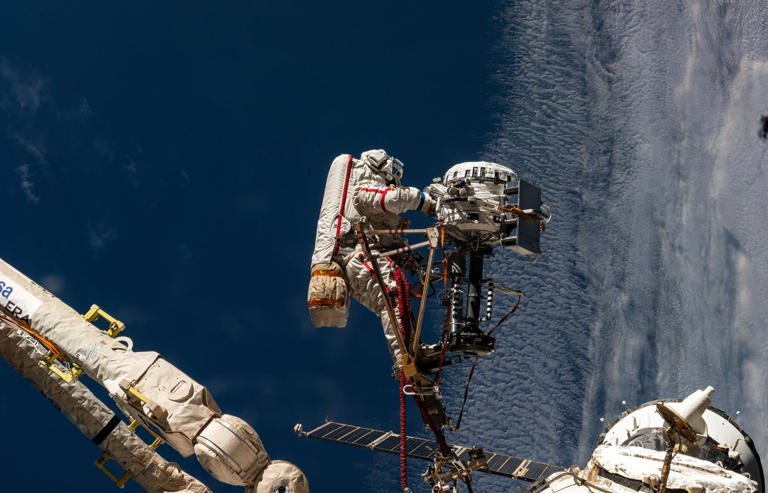
Still, a reduced crew means trade-offs. Certain activities—most notably spacewalks—must be postponed. A planned excursion to prepare the station’s exterior for new solar panels has been delayed, though NASA says the postponement will not affect essential power needs.
Managing Risk in Orbit
Former NASA astronaut Garret Reisman, who once served on a three-person ISS crew, said the arrangement increases risk mainly if something goes wrong outside the station. With only one American astronaut on board, complex repairs could become more difficult in an emergency scenario.
Even so, Reisman emphasized that such situations are unlikely. The remaining crew is highly trained, and international cooperation remains strong despite geopolitical tensions on Earth.
Looking Ahead: Crew-12 and Beyond
NASA is now working to accelerate the launch of Crew-12, originally scheduled for mid-February, to restore the station’s normal staffing levels. The agency views a robust crew presence as essential—not just for day-to-day operations, but for pioneering research that could enable future commercial space stations.
Isaacman has been vocal about that vision, arguing that maximizing the ISS’s remaining years is key to building a sustainable future in low-Earth orbit.
For now, the three astronauts aboard the ISS will carry on, maintaining humanity’s foothold in space while awaiting reinforcements from Earth.