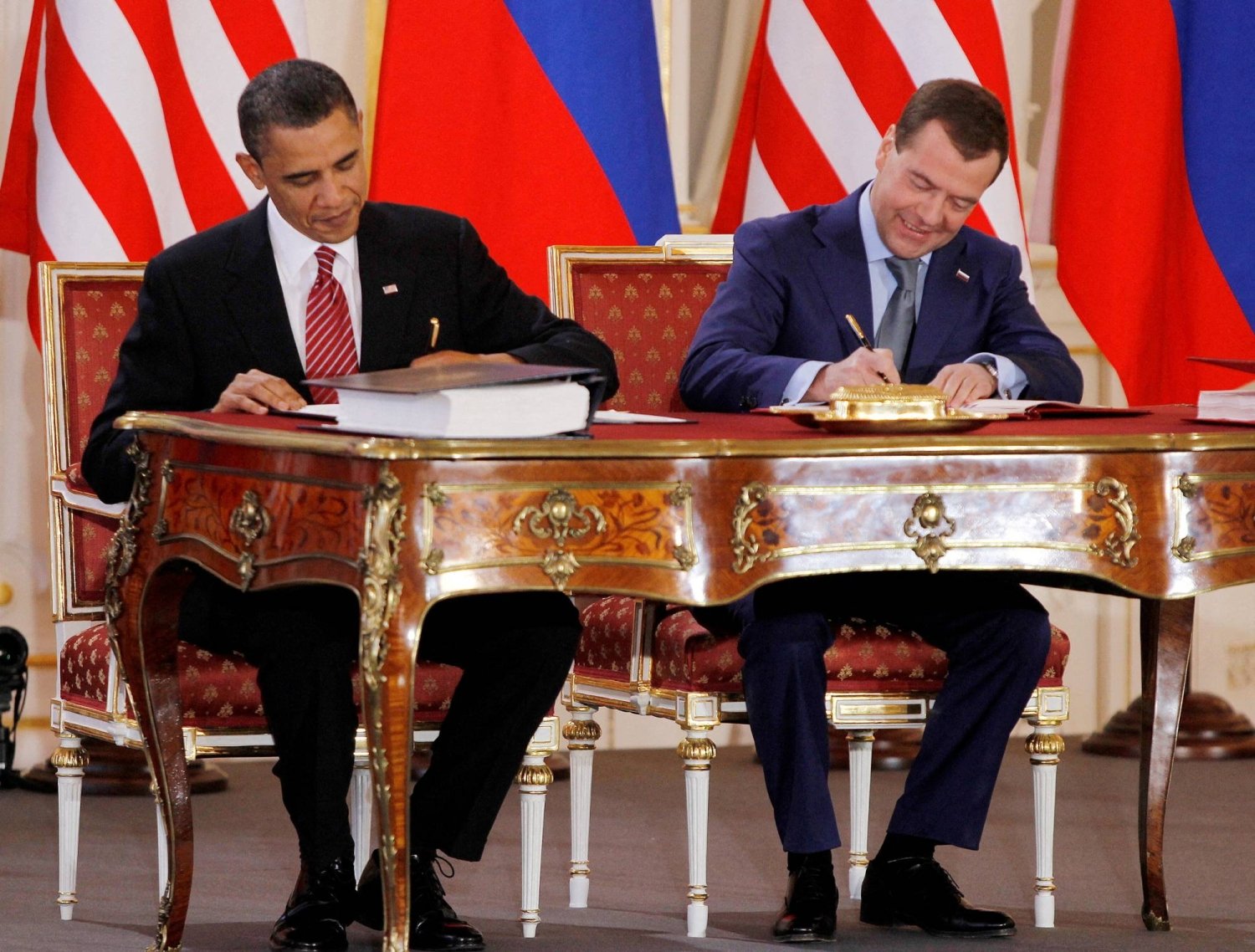
The expiration of the final remaining nuclear arms control agreement between the United States and Russia marks a historic turning point in global security. Concerns rise over a potential new nuclear arms race as a crucial U.S.-Russia treaty comes to an end, leaving the two nations without formal restrictions on their strategic nuclear arsenals for the first time in decades.
A World Without Nuclear Limits
With the conclusion of the New START treaty, both Washington and Moscow are no longer bound by the agreement that limited each country to 1,550 deployed nuclear warheads. The treaty’s expiration removes a major safeguard that had helped maintain balance and transparency between the world’s two largest nuclear powers.
Even more troubling is the absence of any ongoing negotiations to replace the treaty. Officials and analysts fear that without established verification systems and communication channels, misunderstandings could increase, potentially fueling a new and uncontrolled nuclear arms competition reminiscent of the Cold War era.
Global Leaders Express Deep Concern
United Nations Secretary-General António Guterres described the moment as deeply concerning, noting that the world is now facing a situation without legally binding caps on the strategic nuclear weapons of either country. He warned that the development represents a significant threat to international peace and stability.
According to a 2025 assessment by the Stockholm International Peace Research Institute, the United States and Russia together hold nearly 90% of the world’s nuclear weapons, with a combined stockpile exceeding 10,500 warheads. Meanwhile, China’s nuclear arsenal, though significantly smaller at around 600 warheads, is expanding rapidly, with roughly 100 new warheads added annually since 2023. The combined firepower of these three nations alone poses catastrophic risks for humanity.
Lessons From Cold War Rivalry
Experts note that the Cold War demonstrated how mistrust and assumptions between rival nations can lead to costly and dangerous arms competitions. Mike Albertson, a former contributor to the negotiation and implementation of the New START treaty, emphasized that decades of cooperation between the United States and the Soviet Union — and later Russia — helped limit and gradually reduce nuclear weapons. The treaty’s collapse signals the end of this long-standing cooperative framework.
Rising Tensions and Political Disputes
Russia suspended its participation in New START in early 2023, citing U.S. support for Ukraine as a primary reason. Although Moscow initially stated it would continue following the treaty’s limits voluntarily, it has also increasingly used nuclear rhetoric as part of its broader military strategy.
Russian President Vladimir Putin later proposed extending adherence to the treaty’s restrictions for an additional year, an idea that received a positive but unofficial response from former U.S. President Donald Trump. Trump has suggested that future arms control agreements should include China, though Beijing has shown little willingness to participate in such negotiations.
Personal and Historical Impact
For veteran nuclear arms negotiator Nikolai Sokov, the treaty’s collapse represents not just a political failure but a deeply personal loss. After dedicating nearly 45 years to nuclear arms control efforts, he warned that the world may now be reverting to the uncertainty and high tensions that characterized the early Cold War period.
Sokov pointed out that it took the Cuban Missile Crisis in the 1960s — one of the closest moments the world came to nuclear war — to encourage nations to establish arms control frameworks. He believes that fading public fear of nuclear conflict in recent decades has contributed to declining global commitment to disarmament.
Loss of Transparency and Trust
Beyond limiting warhead numbers, New START provided essential transparency measures, including data exchanges, compliance inspections, and diplomatic communication channels. Before Russia suspended participation, both countries conducted hundreds of on-site inspections and shared tens of thousands of notifications regarding military activities.
Although intelligence methods such as satellite monitoring still offer some insight into nuclear capabilities, analysts warn that the absence of formal verification processes increases uncertainty and mistrust, especially amid current geopolitical tensions.
China’s Growing Role in Nuclear Balance
China’s rapid expansion of its nuclear arsenal is becoming a key factor in future arms control discussions. A 2025 Pentagon report suggested that Beijing could possess more than 1,000 nuclear warheads by 2030. Chinese officials have rejected calls to join nuclear disarmament talks, arguing that it is unreasonable to compare its smaller arsenal to those of the United States and Russia.
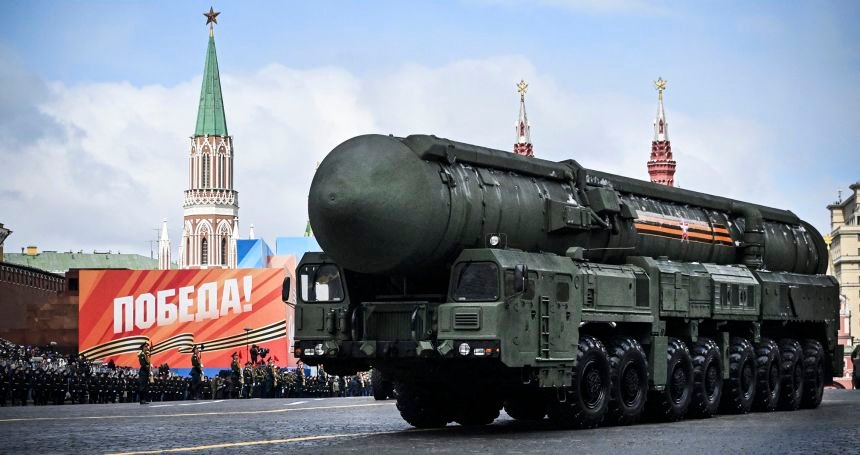
Experts caution that the lack of transparency regarding China’s nuclear buildup illustrates the broader dangers of abandoning arms control agreements. Without clear verification systems, it becomes increasingly difficult to assess rivals’ capabilities and intentions.
The Future of Nuclear Arms Control
While a replacement agreement for New START remains uncertain, some experts believe that a future treaty could still emerge, potentially offering greater flexibility or higher warhead limits while maintaining verification measures. However, without swift diplomatic action, many fear that a renewed arms race could develop within the next decade, driven by advanced and harder-to-intercept nuclear technologies rather than simply increasing weapon numbers.
Additionally, analysts warn that non-nuclear nations may grow frustrated with the nuclear powers’ inability to pursue meaningful disarmament, potentially undermining global non-proliferation efforts.
A Critical Moment for Diplomacy
Despite the risks, experts stress that the situation is not beyond repair. They emphasize that renewed dialogue between nuclear powers could still prevent a full-scale arms race. As concerns rise over a potential new nuclear arms race as a crucial U.S.-Russia treaty comes to an end, global leaders face mounting pressure to rebuild trust and establish new frameworks to ensure long-term international security.