
IDFC First Bank shares plunge 20% amid suspected $65 million fraud investigation, sending shockwaves through India’s banking sector and rattling investor confidence at the start of the week.
Shares of IDFC First Bank dropped sharply on Monday after the lender revealed over the weekend that it had uncovered suspected fraudulent transactions worth 5.9 billion rupees (approximately $65 million). The disclosure triggered concerns about the potential hit to the bank’s profitability and internal controls.
By late morning trading, the stock was down 15.8% at 70.29 rupees — its lowest level since October 2025 — and appeared headed for its steepest single-day fall in nearly six years. The bank led losses among financial stocks even as India’s benchmark index, NIFTY 50, managed to rise 0.35% on the same day.
Fraud Limited to Government-Linked Accounts
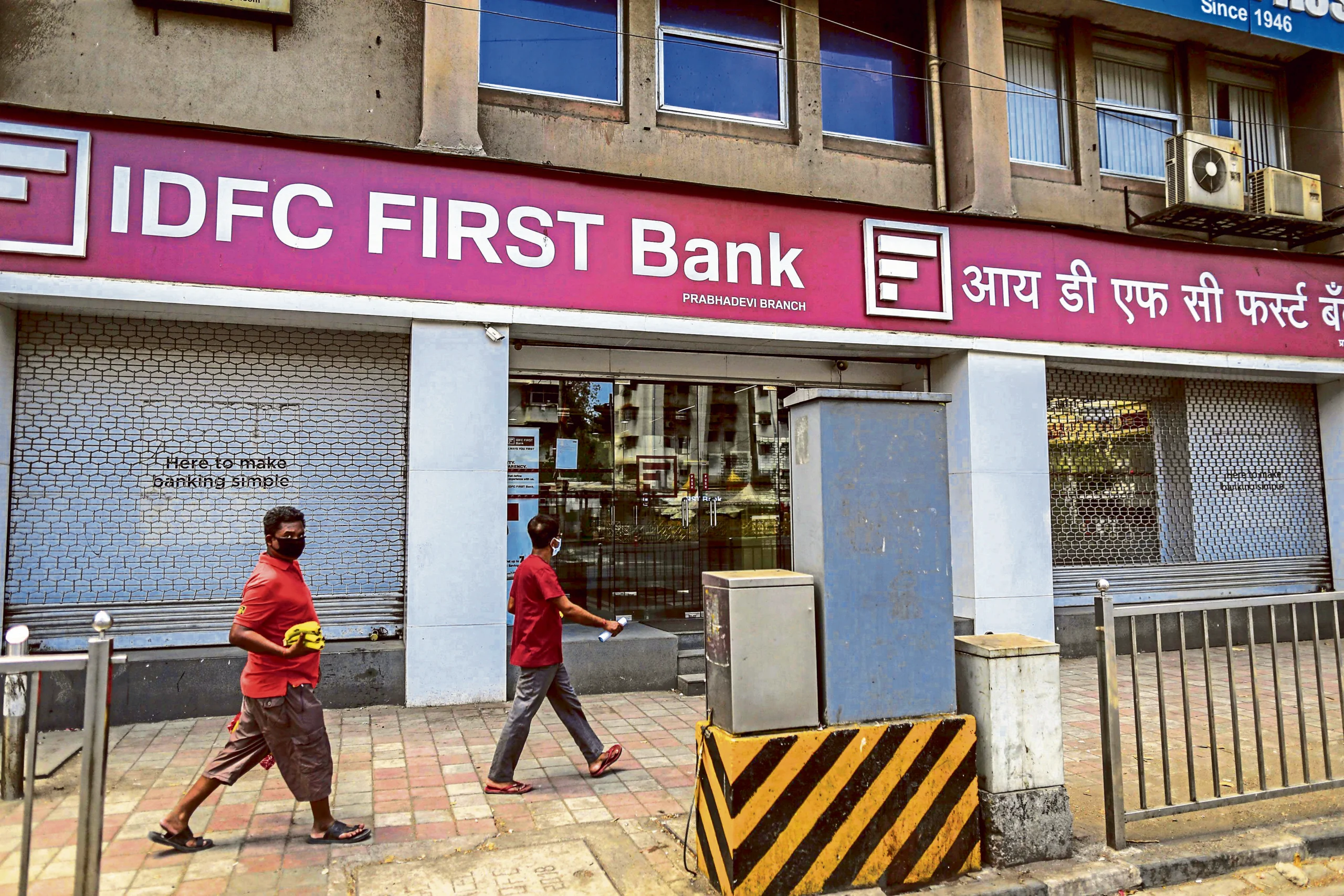
The Mumbai-headquartered mid-sized lender clarified that the irregularities were confined to government-linked accounts at one of its branches in Chandigarh. The discrepancies surfaced when entities associated with the northern state of Haryana initiated account closures and discovered mismatched balances.
According to management, the issue came to light roughly a month ago and was promptly reported to the Reserve Bank of India (RBI). During a press briefing after the RBI’s board meeting, Governor Sanjay Malhotra stated that the central bank was closely monitoring developments. However, he emphasized that there was no systemic concern regarding the bank’s stability.
IDFC First Bank has since suspended four employees allegedly linked to the matter and appointed KPMG to carry out an independent forensic investigation.
Analysts Assess the Financial Impact
Brokerages have begun estimating the potential earnings hit from the suspected fraud.
-
UBS estimates the amount involved represents around 22% of the bank’s projected fiscal year 2026 net profit. However, it expects the impact on overall capital to be relatively modest, at about 1% of net worth.
-
Morgan Stanley calculates that the hit to profit before tax could be near 20%.
-
Jefferies noted that while the issue does not appear systemic, the lender must reassure investors that the discrepancies are confined to a single branch and client segment.
The bank also indicated that it may recover part of the losses, including funds potentially held in accounts at other banks.
Insurance Coverage and Recovery Plans
Management disclosed during an analyst call that IDFC First Bank carries insurance coverage against employee dishonesty. Under this policy, it could recover up to 350 million rupees. This insurance cushion, along with potential recoveries from related accounts, may help mitigate part of the financial damage.
Despite the setback, the bank maintains that the broader impact on its capital base remains manageable.
Government Deposits Under Scrutiny
The fallout extended beyond market losses. Analysts warned that the incident could affect the bank’s government business, particularly the lucrative segment involving government cash balances.
Following the disclosure, the Haryana state government removed both IDFC First Bank and AU Small Finance Bank from its approved list of banks authorized to hold government accounts. The official notification did not specify reasons for the removal of AU Small Finance Bank.
In response, AU Small Finance Bank stated that it had provided requested transaction details to the state government and that preliminary reviews show no signs of financial impact or fraudulent activity affecting its operations. Nonetheless, its shares dropped as much as 7.74% — marking their steepest percentage decline in over a year.
Market observers, including analysts at Macquarie Group, expect heightened regulatory and governmental scrutiny of public-sector deposits parked with private banks in the near term.
Limited Impact on Overall Deposits
According to management commentary cited by Jefferies, deposits from the Haryana government account for only about 0.5% of IDFC First Bank’s total deposit base. This suggests that while the reputational damage may be significant, the direct financial impact on deposit levels is likely to remain contained.
IDFC First Bank, which reported a loan book of nearly 2.79 trillion rupees and deposits of 2.82 trillion rupees, had attracted major investors such as Warburg Pincus and the Abu Dhabi Investment Authority in recent years. The current episode now places the spotlight on governance and internal controls at a time when investor confidence is critical.
Investor Sentiment Remains Fragile
The sharp market reaction underscores how sensitive investors are to governance concerns within financial institutions. While regulators have indicated that there is no systemic risk, the coming weeks will be crucial for IDFC First Bank as it works to restore confidence through transparency, forensic findings, and potential recoveries.
For now, IDFC First Bank shares plunge 20% amid suspected $65 million fraud investigation serves as a stark reminder that even isolated incidents can have an outsized impact on market perception and valuation.