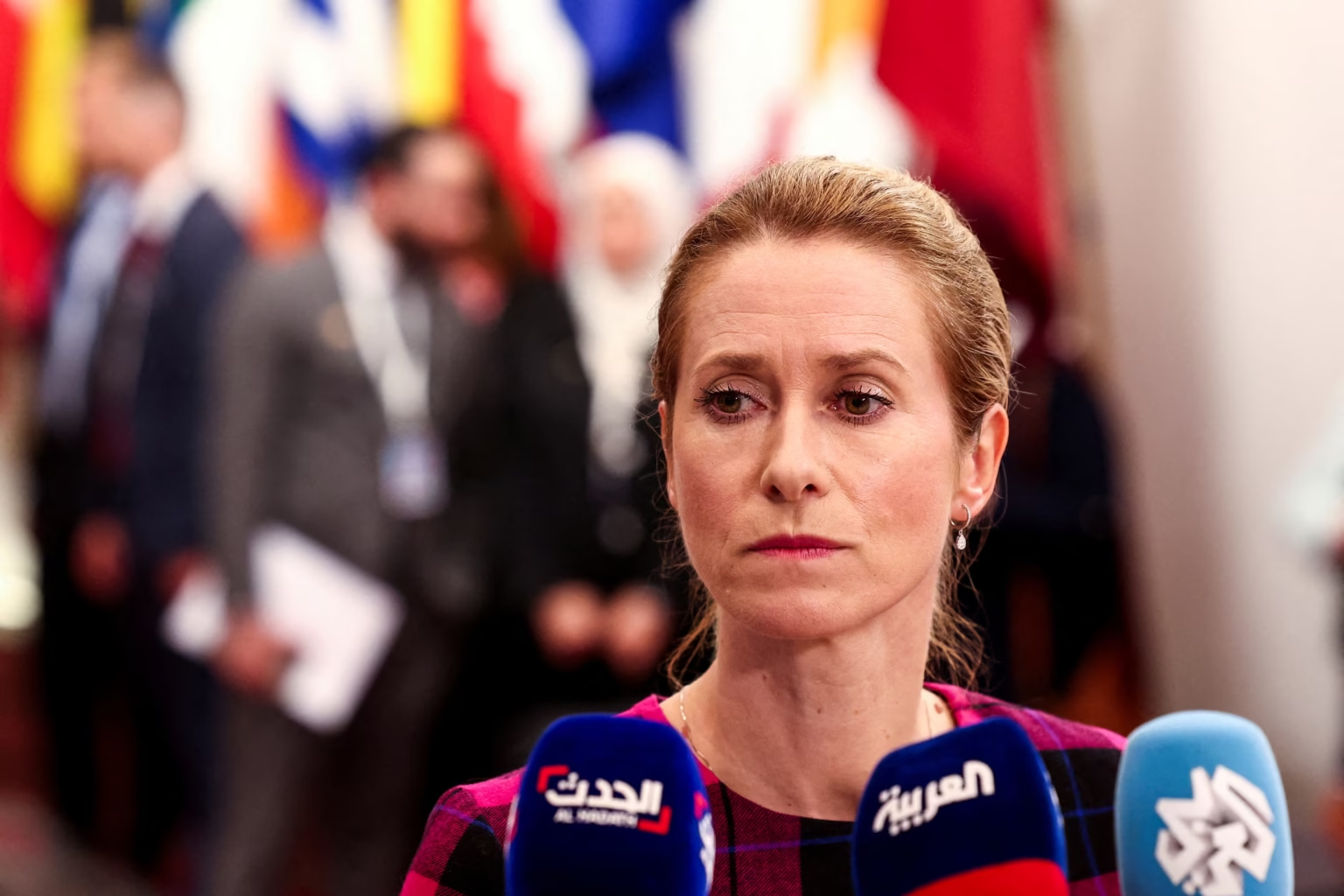
The European Union appears set to delay its latest effort to tighten sanctions on Moscow, as divisions among member states continue to stand in the way of consensus. Speaking ahead of a meeting of EU foreign ministers, foreign policy chief Kaja Kallas acknowledged that an agreement on the new sanctions package is unlikely to be finalized at this stage.
In remarks to reporters before the ministers convened, Kallas indicated that ongoing objections from Hungary have prevented the bloc from reaching a unified position. The proposed measures, aimed at increasing economic and political pressure on Russia, require unanimous backing from all EU member states — a requirement that has proven difficult to meet.
With Budapest maintaining its opposition, diplomatic sources suggest that further negotiations will be needed before the sanctions package can move forward. Kallas says the EU is unlikely to reach an agreement on Russian sanctions on Monday, underscoring the challenge of aligning the diverse political and economic interests within the 27-member bloc.
The delay highlights the broader difficulty the EU faces in sustaining a cohesive sanctions strategy, particularly as debates continue over the potential economic impact on individual member states. While many countries remain committed to increasing pressure on Moscow, unanimity remains the key hurdle in turning proposals into policy.