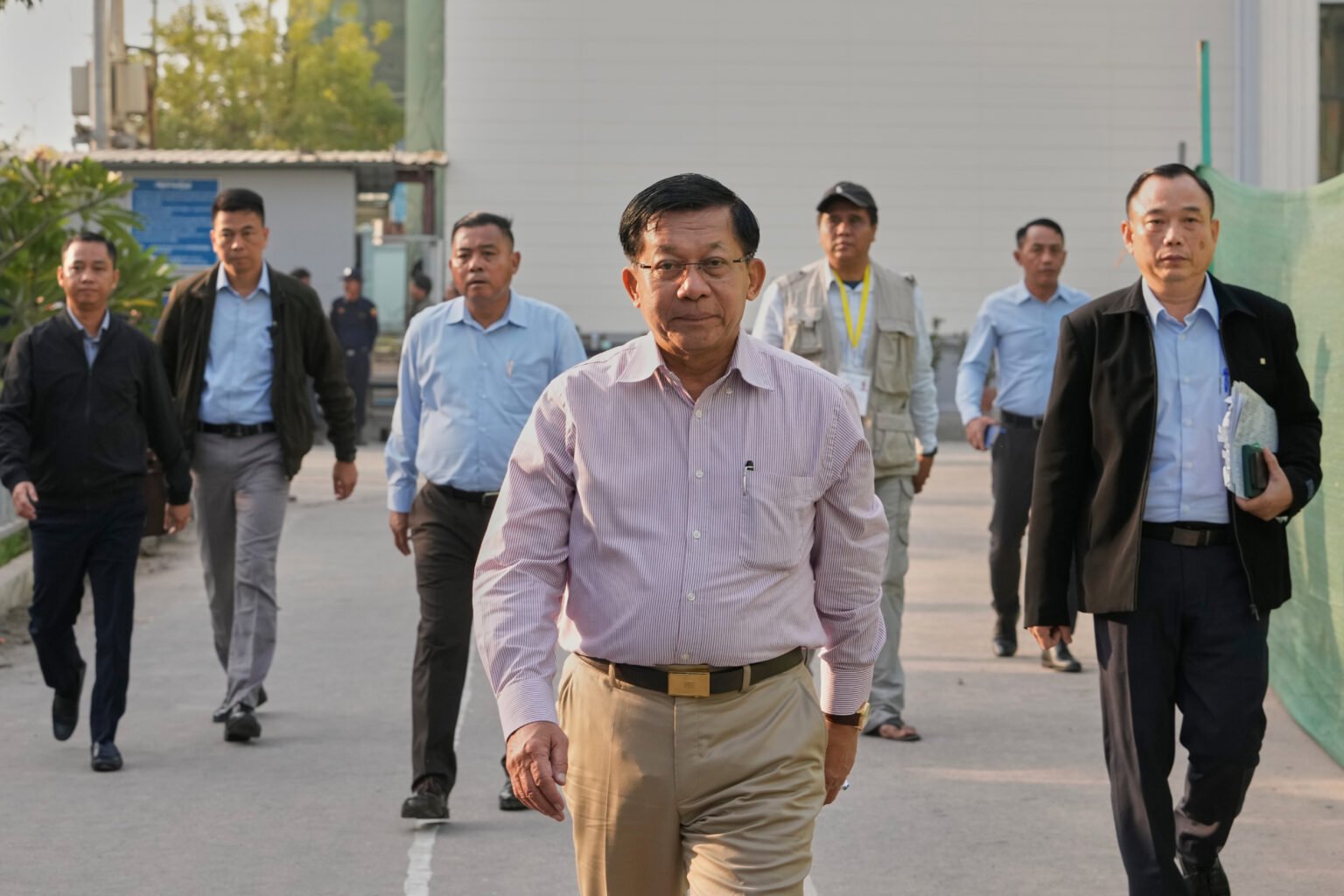
Myanmar’s political landscape has taken another decisive turn following a disputed national vote, with Myanmar’s military-backed party wins election as army plans new control body becoming a major development shaping the country’s governance. Official results released on Wednesday confirmed that the military-aligned Union Solidarity and Development Party (USDP) secured a dominant victory, reinforcing the army’s already substantial hold over the nation’s political structure.
Election Outcome Strengthens Military Influence
The USDP, a party closely associated with former military generals, achieved a commanding win in an election widely anticipated to favor the armed forces. Several major opposition parties were excluded from participating, and strict controls were imposed on dissent throughout the electoral process. Under Myanmar’s constitution, the military is automatically allocated 25% of parliamentary seats, ensuring the armed forces maintain significant legislative authority regardless of election outcomes.
New Law Signals Alternative Power Structure
Adding to speculation surrounding future leadership, Senior Gen. Min Aung Hlaing, Myanmar’s military chief, signed legislation authorizing the formation of a new advisory entity known as the Union Consultative Council. The move has intensified discussions about the country’s political direction, especially as it suggests the possibility that military leaders may exercise influence behind the scenes rather than through formal government positions.
Myanmar’s constitution prevents the president from simultaneously serving as the commander-in-chief of the military — a role considered the country’s most powerful. The newly created council could allow its chairman to shape policy on key national matters without occupying the presidency.
Role and Authority of the Union Consultative Council
According to state-run media, the law allows the incoming president to appoint a council consisting of at least five members, including a chairman. The body is expected to provide guidance and coordination on matters such as national security, foreign relations, peace negotiations, and legislative priorities. While it is not designed to directly control executive or judicial branches, analysts believe the council could become a significant tool for maintaining military dominance in governance.
The introduction of such a parallel structure reflects the military’s broader strategy since it seized power from the elected civilian administration led by Aung San Suu Kyi in 2021. That takeover triggered nationwide protests and armed resistance movements, eventually escalating into a prolonged civil conflict.
Election Conduct and Voting Figures
The election marked Myanmar’s first national vote in five years and was conducted in three phases across December and January. Voting was held in 263 of the country’s 330 townships, with ongoing conflict preventing participation in approximately 20% of the regions.
Final results released by the Union Election Commission showed the USDP securing 339 out of 586 parliamentary seats. Combined with the 166 seats reserved for the military under constitutional provisions, military-linked forces now control 505 seats, representing roughly 86% of the legislature. The remaining seats were distributed among 21 smaller political parties, each securing between one and 20 seats.
Military authorities reported that over 13 million people participated in the election, representing about 54% of eligible voters nationwide. Officials described the turnout as a sign of public engagement, although critics have challenged the credibility of these claims.
Plans for New Government Formation
Reports from state media indicated that Myanmar’s Parliament is scheduled to convene in the third week of March to elect a new president. The announcement followed discussions between Min Aung Hlaing and visiting Russian Security Council Secretary Sergey Shoigu during a meeting in Naypyitaw, the nation’s capital.
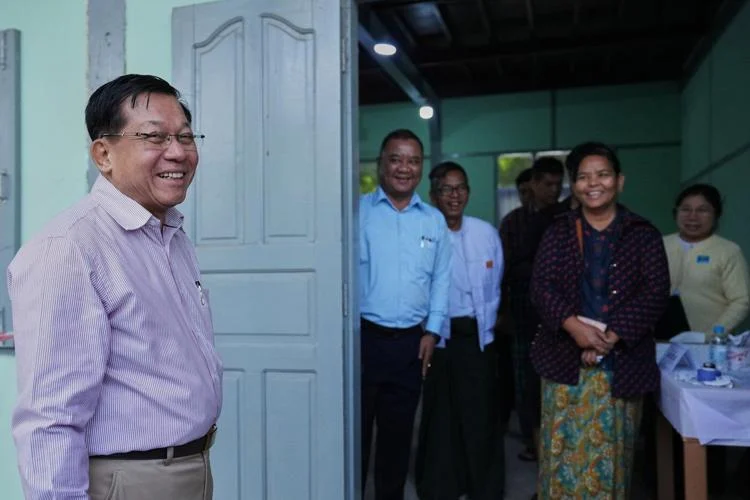
Despite expectations that Min Aung Hlaing could assume the presidency, uncertainty remains about whether he will step away from his role as military commander or instead use the newly established consultative council to retain influence over national decision-making.
International Criticism and Human Rights Concerns
The election has drawn sharp criticism from international observers and human rights organizations. United Nations human rights chief Volker Türk stated that the electoral process failed to uphold fundamental democratic freedoms. He also warned that the vote risked intensifying violence and deepening political divisions within the country.
Türk highlighted reports of widespread voter intimidation, including fears of forced military recruitment, threats to food access, and administrative punishments. He further noted that military rule over the past five years has been marked by suppression of dissent, mass arrests, extensive surveillance, and shrinking civic freedoms.
Uncertain Political Future
As Myanmar moves toward forming a new government, the country remains deeply divided and politically unstable. The establishment of the consultative council alongside the election outcome underscores how Myanmar’s military-backed party wins election as army plans new control body, reinforcing concerns that the armed forces intend to maintain long-term authority despite international calls for democratic reforms.