As Hungary heads toward a pivotal parliamentary vote, a chorus of hard-right and populist voices from across the globe has stepped forward to back Prime Minister Viktor Orbán. The unusual show of international solidarity comes at a moment when polls suggest Orbán’s long grip on power may be facing its most serious test yet.
This week, Orbán released a slick online campaign video featuring endorsements from 11 political leaders and right-wing figureheads. Among them were France’s Marine Le Pen, Italy’s Giorgia Meloni, and Argentina’s libertarian president Javier Milei. The video also included a message of support from American actor Rob Schneider, underscoring the broad ideological appeal Orbán continues to enjoy beyond Hungary’s borders.
Having returned to office in 2010, Orbán is now Europe’s longest-serving prime minister. Over the years, he has positioned himself as a standard-bearer for nationalist and populist movements, including the MAGA-aligned right in the United States. His political brand centers on national sovereignty, conservative social values, and strict border controls, often putting him at odds with the European Union—though he has stopped short of advocating Hungary’s exit from the bloc.
Growing pressure at home
While Orbán’s influence abroad remains strong, the political mood at home is shifting. After 16 years in power, his ruling Fidesz party has faced mounting criticism over democratic backsliding, constraints on media freedom, and sluggish economic growth. That discontent has crystallized around a new opposition figure: Péter Magyar.
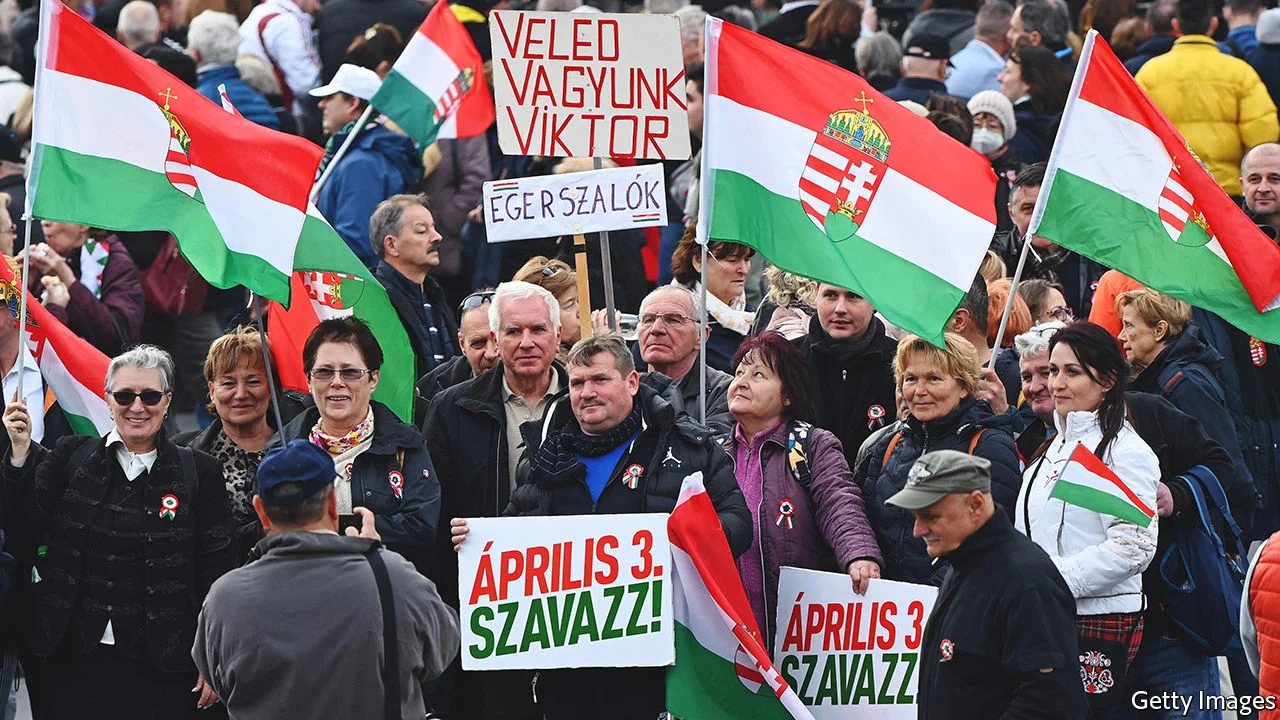
Once a loyal insider, Magyar has emerged as Orbán’s most credible challenger in years. His Tisza party has outperformed Fidesz in opinion polls for more than a year, campaigning on an anti-corruption platform and promising economic renewal. With the April 12 election approaching, Orbán has sought to dismiss Magyar as inexperienced—while simultaneously leaning on ideological allies to shore up support.
A global ideological alliance
The campaign video highlights how Orbán’s message resonates within a wider international network. Israel’s Prime Minister Benjamin Netanyahu praised Orbán’s resolve, saying that security must be earned and describing him as a leader with the courage and wisdom to protect his country.
Le Pen, despite her own legal troubles in France, credited Orbán with helping build a movement of “patriots” and defenders of national sovereignty across Europe. Meloni framed their relationship as a shared political project, arguing that they stand together for a Europe rooted in national identity and cultural tradition. Support also flowed in from Central European allies, including figures linked to Czech and Polish conservative politics.
Ukraine, Russia, and a divisive stance
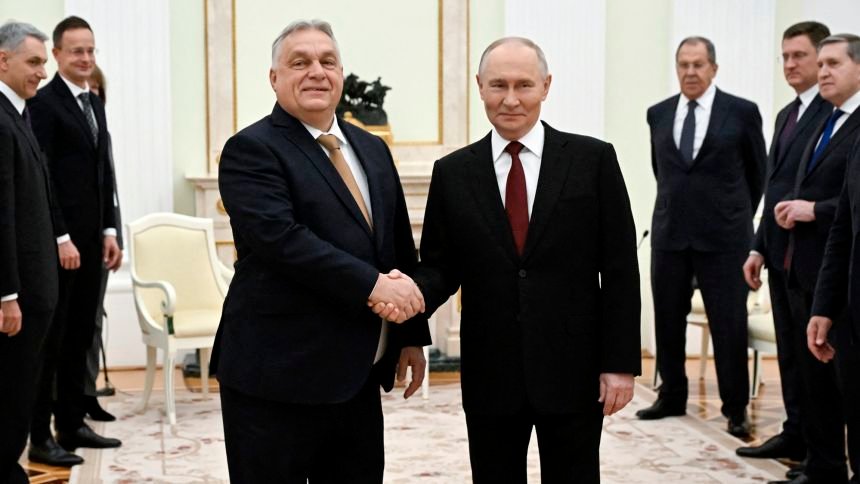
Russia’s war in Ukraine also loomed large in the video. Hungary shares a border with Ukraine, yet Orbán has repeatedly blocked European Union efforts to expand financial and military support for Kyiv. After meeting Russian President Vladimir Putin in Moscow last November, Orbán announced plans for a “national petition” to bolster public backing for his refusal to endorse the EU’s latest aid package.
Germany’s far-right AfD co-leader Alice Weidel argued in the video that Orbán represents a path to peace in Ukraine and across Europe, claiming the continent “needs” his leadership.
Signals from the United States
Although no sitting U.S. officials appeared in the video, Schneider urged Hungarian voters to support Orbán in order to protect the country’s culture. Former U.S. President Donald Trump has also expressed goodwill, sending Orbán a letter late last year wishing him success in the campaign and previously praising him as a “great leader.”
Orbán’s ties with Washington have included securing a temporary exemption from U.S. sanctions on Russian oil. Critics, however, argue that Hungary’s continued reliance on Russian energy is a political choice rather than an economic necessity, pointing out that other landlocked countries have successfully reduced their dependence.
A defining moment
Taken together, the video underscores how Right-wing groups worldwide rally behind Orbán ahead of Hungary’s election, transforming a national contest into a symbolic battle for the future of populist politics in Europe. Whether that international backing will outweigh growing domestic frustration remains the central question as Hungarian voters prepare to head to the polls.