An urgent diplomatic reckoning awaits former US President Donald Trump in Davos, where global leaders are preparing to confront him after days of sharp rhetoric and threats aimed at America’s closest allies over Greenland. (Trump is expected to face diplomatic intervention over Greenland in Davos)
Senior European officials are using this week’s World Economic Forum as a critical platform to prevent what they see as a rapidly escalating crisis. According to sources familiar with ongoing discussions, the dispute has unsettled Europe and raised fresh concerns about the durability of the seven-decade-old transatlantic alliance.
Allies Seek to Cool Rising Tensions
Behind the scenes, even figures within Trump’s own circle have reportedly voiced unease about the confrontational tone and are quietly exploring ways to dial down the standoff. European leaders, meanwhile, are focused on immediate de-escalation after Trump threatened to impose new tariffs on any ally opposing his demand for “complete and total control” of Greenland.
Beyond easing short-term tensions, diplomats are also attempting to redirect Trump away from his broader campaign to acquire the Danish territory. Several potential compromise paths are under discussion, including expanding existing agreements that allow the United States to maintain military bases and strategic assets on the island. Enhanced commercial and economic partnerships have also been floated, potentially culminating in a high-profile signing ceremony that Trump could present as a political win.
Alternative Proposals on the Table
Another idea gaining early attention is placing Greenland under a Compact of Free Association. This arrangement would preserve Greenland’s current political status while granting the US expanded security access in exchange for financial support. Similar agreements already exist between Washington and nations such as Palau, the Marshall Islands, and the Federated States of Micronesia.
Diplomats have also discussed revisiting the 1951 defense agreement between the US, Denmark, and Greenland, possibly updating it to explicitly block Chinese investment on the island. Despite Denmark’s clear resistance to relinquishing sovereignty, some senior Trump-era officials have reportedly continued to explore the possibility of a US purchase of Greenland.
Trump Signals Confidence, Europe Remains Wary
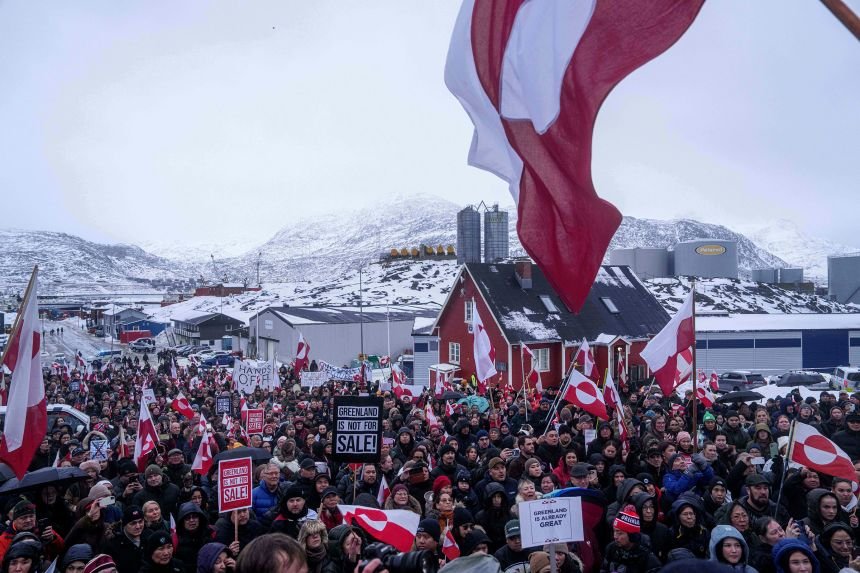
Arriving in Davos early Wednesday, Trump told reporters he expected to hold multiple meetings focused on Greenland and predicted he would strike a deal that would be “very good for everybody.” He claimed NATO would be “very happy” and suggested Greenlanders—many of whom have protested against any form of US annexation—would ultimately be “thrilled.”
Among those expected to meet Trump privately is NATO Secretary General Mark Rutte, who has worked to maintain a cooperative relationship with him.
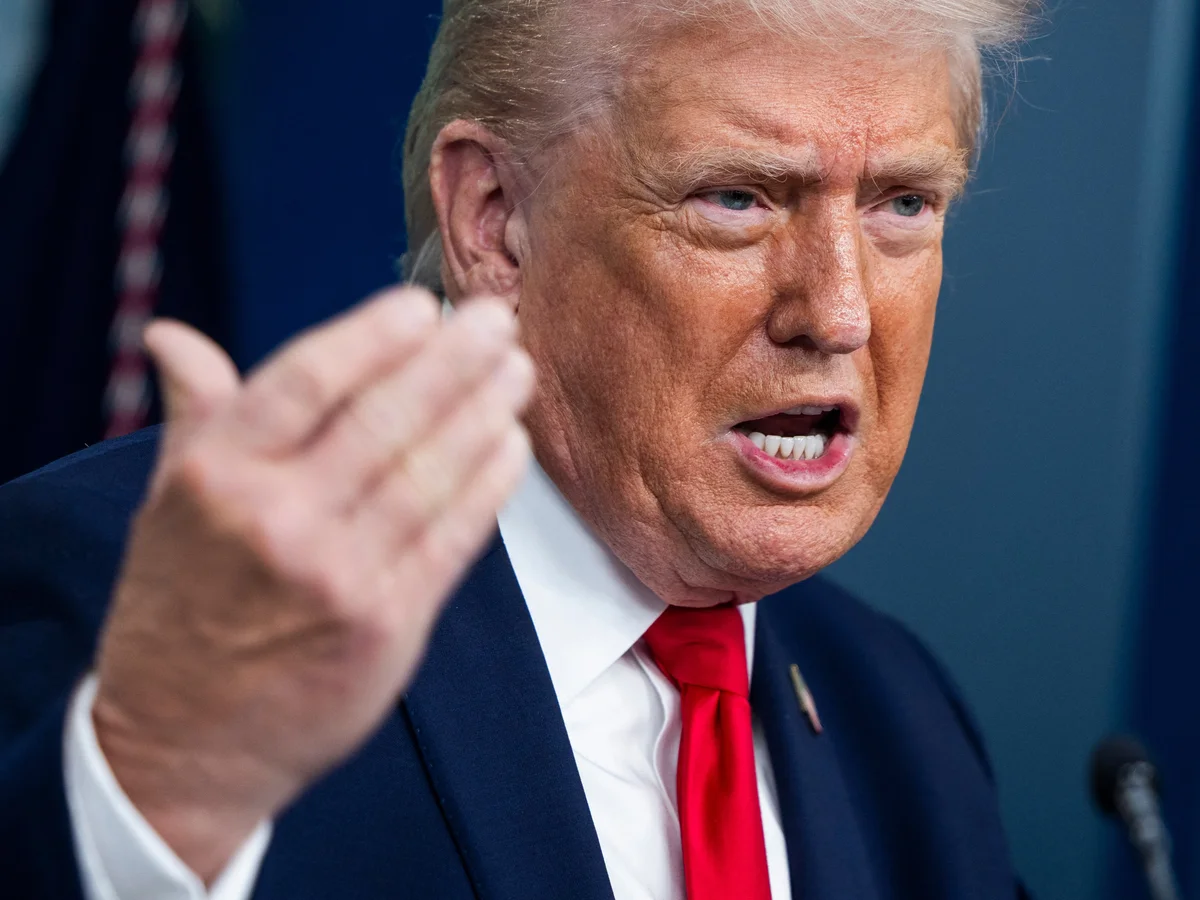
Yet Trump’s confident tone has done little to reassure European capitals. He has continued to double down on his demands, reiterating that the US “needs” Greenland and offering vague warnings when asked how far he might go to secure control of the Arctic territory.
Europe Weighs Its Response
The White House has framed the potential acquisition of Greenland as a strategic benefit for NATO, arguing it would strengthen the alliance and better protect the Arctic region from emerging threats. Still, European leaders remain divided on how to respond if Trump intensifies pressure.
Analysts say Europe faces a difficult balancing act. While many governments previously chose appeasement to avoid direct confrontation, Trump’s recent escalation—including threats of tariffs against multiple European countries—has shifted calculations across the continent.
Greenland’s strategic importance, both for national security and its vast mineral resources, has long been central to Trump’s argument. But his recent threats against allies such as Norway and France have raised alarm about the broader implications for NATO’s unity.
Economic and Political Stakes Rise
European leaders have openly criticized the use of tariffs as leverage over territorial sovereignty. Speaking in Davos, French President Emmanuel Macron condemned the “endless accumulation of new tariffs,” while European Commission President Ursula von der Leyen called for building a “new form of European independence.”
Within diplomatic circles, officials are considering a range of countermeasures, from reviving delayed retaliatory tariffs worth tens of billions of euros to restricting US companies or reassessing American access to European military bases. More extreme options, such as invoking the EU’s Anti-Coercion Instrument, remain a last resort due to the need for unanimous support.
A Fragile Moment for Transatlantic Relations
For now, European officials are hoping Trump will choose a diplomatic exit before the situation deteriorates further. Some around him believe the aggressive posture is primarily a negotiating tactic rather than a prelude to military action. Still, there is widespread concern that continued escalation could cause lasting damage to critical alliances.
As Trump’s arrival looms, uncertainty dominates the mood in European capitals. With Greenland now framed by Trump as a matter of “psychological” importance, few are confident about what comes next.