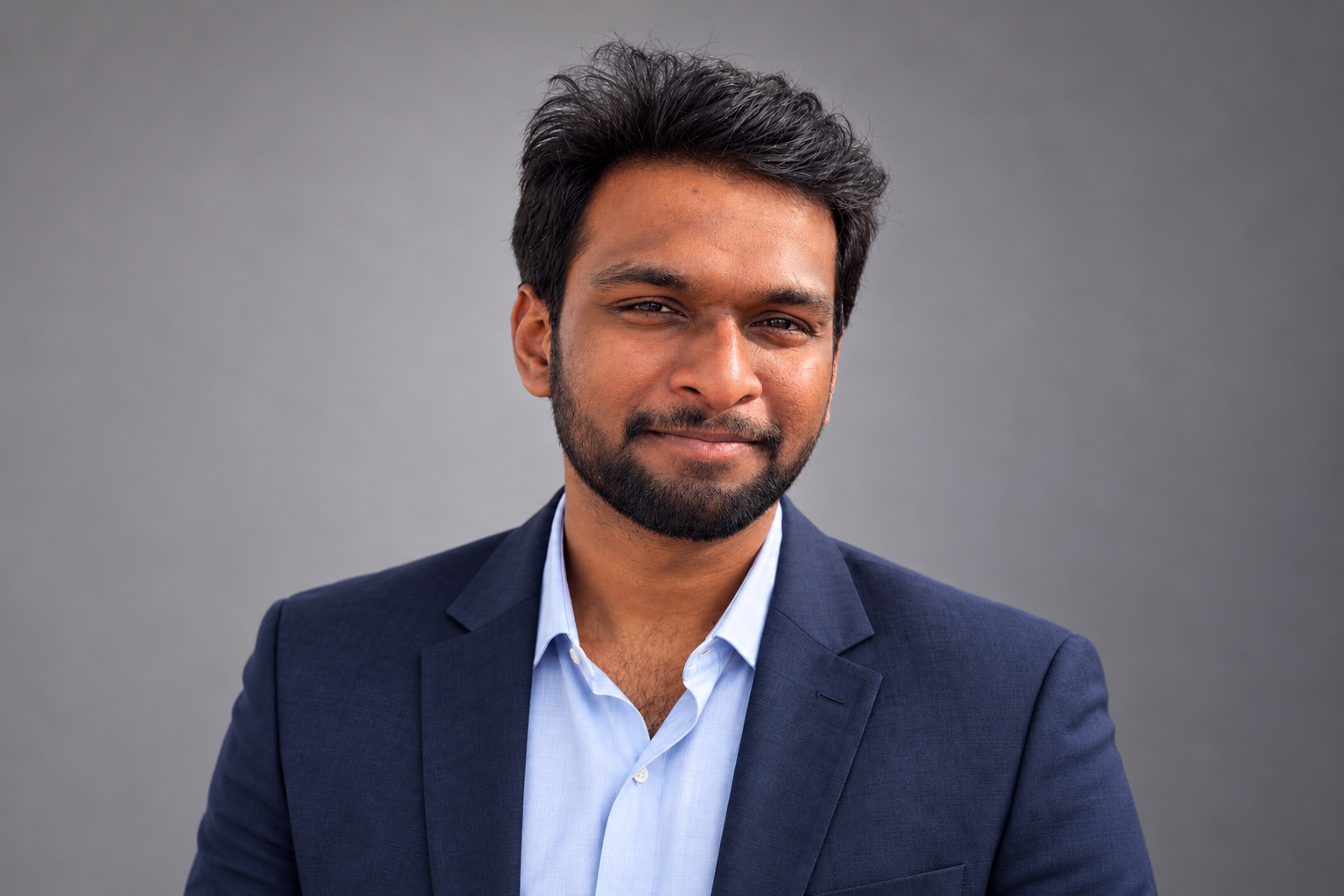
From incident-response automation to privacy-minded AI products, Sai Yeswanth Maturi is applying lessons from cybersecurity and cloud engineering to the software he builds today.
Moving an AI application from demonstration to everyday use takes more than a capable model. It needs reliable data, infrastructure that connects it to other services, and clear limits on what the software can access or do. For Sai Yeswanth Maturi, those are familiar challenges. They have shaped his career from cybersecurity operations to cloud-connected data systems and, more recently, AI product development.
Maturi began in security analysis at Kellton in India, where he investigated alerts, examined network and endpoint activity, and supported vulnerability assessments. He later earned a master’s degree in Cybersecurity and Information Assurance from the University of Michigan-Dearborn. At Humana in the United States, his work moved further into the engineering behind security operations: bringing information together from different platforms and automating parts of incident response.
At Humana, he developed Python-based response workflows and worked with Snowflake data pipelines that organized security information for investigation and reporting. Events from monitoring tools, endpoint systems and identity platforms had to be turned into records analysts could act on. Automation helped route cases and document what happened, but it also required careful decisions about permissions and when a person needed to take over.
That experience drew cloud and data engineering into his security work. Integrating services, processing records and making information available through applications and dashboards required more than knowledge of individual security tools. Alongside Python and Snowflake, his engineering background includes AWS, APIs, databases and workflow orchestration. The infrastructure was not separate from the security problem; it was part of making a response dependable.
Since April 2025, Maturi has been applying that experience through Maturion Solutions LLC, his Arizona- based technology business. Its public-facing Meridian brand describes work in AI automation, software development and security-oriented services. His focus has expanded from responding to events inside existing systems to developing applications and workflows of his own.
One of those products is VoxInput, a Windows dictation application built around a straightforward privacy choice. It uses Whisper to transcribe speech on the user’s computer and offers local text cleanup with Qwen or a simpler fallback. After the necessary models are installed, its core functions do not require a remote transcription service, an account or a paid AI API.
That local design is a deliberate choice for someone who has spent years working with connected systems. Cloud services make sense when software needs to coordinate information across applications; processing on the user’s device can make more sense when the information is personal speech. VoxInput’s release documentation also includes version details and a SHA-256 checksum so users can verify the installer they download.
The same attention to data and permissions informs Maturi’s work on AI-enabled business workflows. Meridian’s public materials describe services for inquiries, scheduling and customer support. Such applications may need to read business information, interact with other systems or carry out a task on someone’s behalf. His background in incident response and identity systems helps shape an approach built around defined access, reviewable activity and clear handoffs to people.
Seen together, the projects trace a consistent line through his career. Cybersecurity taught him how failures appear in real systems and why access needs limits. Cloud and data engineering gave him ways to connect services and make information usable. AI product development now brings those lessons into software that people can try and evaluate.
For Maturi, the question is not simply how much an AI system can do. It is how that system handles information, what it is allowed to do with it and whether the people using it can remain in control. Those decisions are becoming central to the next generation of software—and to the work he is building across cloud, AI and security.